

Health is one of the most valuable assets in our lives. However, many people begin paying attention to their health only when they experience discomfort or notice changes in their daily routine. Developing healthy habits early and taking a proactive approach to wellness can help people make more informed decisions about their overall health.
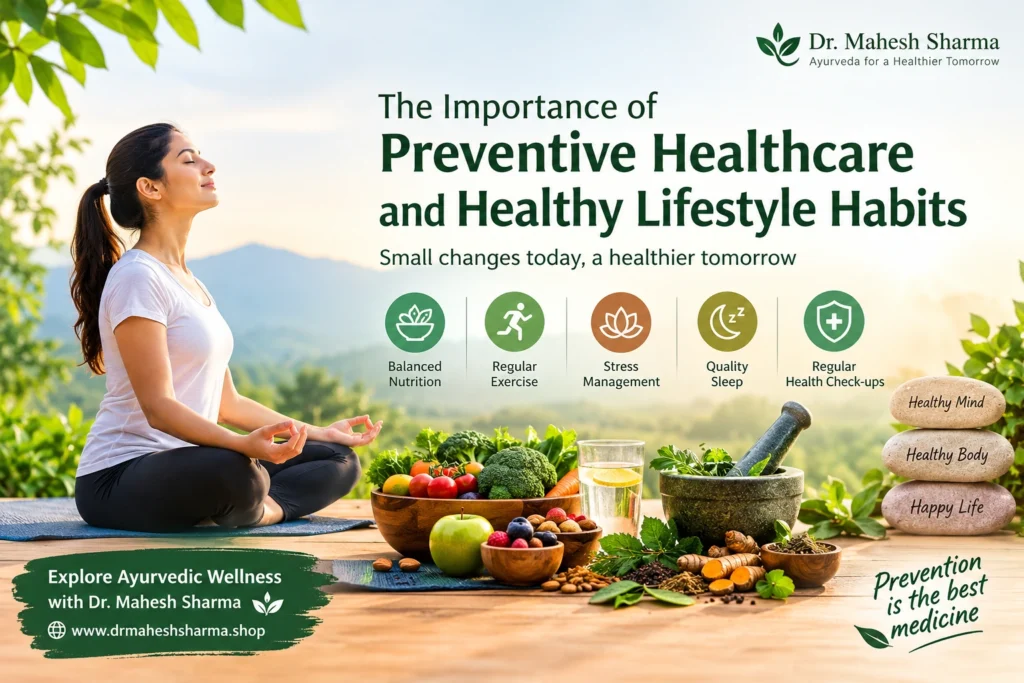
Preventive healthcare focuses on maintaining health, identifying potential risks, and seeking appropriate medical guidance before health concerns become more complicated. Along with regular health check-ups, a balanced diet, physical activity, quality sleep, and stress management are important parts of a healthy lifestyle.
At Dr. Mahesh Sharma’s official website, visitors can explore Ayurvedic products and wellness-related information to learn more about traditional approaches to health and everyday well-being.
What Is Preventive Healthcare?
Preventive healthcare refers to the steps people take to protect and maintain their health. Rather than waiting for symptoms to appear, preventive care encourages individuals to understand their health needs and take suitable action.
Some important preventive healthcare practices include:
- Scheduling routine health check-ups.
- Monitoring blood pressure, blood sugar, and cholesterol when appropriate.
- Maintaining a balanced and nutritious diet.
- Staying physically active.
- Getting sufficient sleep.
- Avoiding tobacco and limiting alcohol consumption.
- Consulting qualified healthcare professionals when needed.
These practices can help people become more aware of their health and make better-informed lifestyle decisions.
1. Maintain a Balanced and Nutritious Diet
A balanced diet is an essential part of maintaining good health. The body needs a variety of nutrients to support normal functions, energy levels, and overall well-being.
Include vegetables, fruits, whole grains, pulses, nuts, and suitable sources of protein in your daily meals. Try to limit highly processed foods, excessive added sugar, and foods high in salt.
Eating at regular times and paying attention to portion sizes may also help establish a healthier eating routine.
Traditional Indian dietary practices, including those discussed in Ayurveda, often emphasise mindful eating and routines suited to individual needs. However, nutritional requirements vary from person to person, so people with specific health conditions should seek personalised professional advice.
2. Make Physical Activity Part of Your Routine
Regular physical activity supports cardiovascular health, muscle strength, mobility, and mental well-being. It does not always require an intensive workout or a gym membership.
Walking, cycling, swimming, stretching, and other suitable activities can be incorporated into everyday life. Adults should generally aim for at least 150 minutes of moderate-intensity physical activity per week, in accordance with their abilities and medical circumstances.
Yoga may also be a useful addition to a balanced wellness routine. Beginners should choose suitable practices and seek qualified guidance, particularly if they have existing health concerns.
Consistency matters more than attempting an unrealistic routine for only a few days.
3. Understand the Role of Ayurveda in Wellness
Ayurveda is a traditional Indian system of health and wellness that considers diet, daily routines, individual characteristics, and lifestyle practices.
Many people explore Ayurvedic wellness as part of their interest in traditional healthcare approaches. Practices such as maintaining regular routines, eating mindfully, staying active, and prioritising rest can complement broader healthy-living goals.
However, traditional practices and herbal formulations should be approached responsibly. Natural ingredients are not automatically safe for everyone, and some may interact with prescription medicines or cause unwanted effects.
Before using an Ayurvedic medicine or herbal formulation for a particular health concern, consult a qualified healthcare professional. Do not replace prescribed treatment with herbal products without medical advice.
4. Prioritise Sleep and Stress Management
Sleep and stress management are often overlooked aspects of preventive healthcare. Inadequate sleep and prolonged stress can affect concentration, mood, daily functioning, and general well-being.
Establishing a regular sleep schedule, reducing screen exposure before bedtime, and creating a comfortable sleeping environment may support better sleep habits.
Stress management techniques can include meditation, gentle yoga, breathing exercises, spending time outdoors, and maintaining meaningful social connections.
The most suitable approach depends on each person’s needs. Anyone experiencing persistent sleep difficulties, severe anxiety, or other ongoing symptoms should seek appropriate professional support.
5. Monitor Your Health Regularly
Routine health assessments can help identify certain health concerns before noticeable symptoms develop. The appropriate screening tests and their frequency depend on factors such as age, family history, existing conditions, and individual risk.
For example, healthcare professionals may recommend monitoring blood pressure, blood glucose, or cholesterol according to a person’s circumstances.
It is also important to understand that not every health condition produces obvious early symptoms. Regular medical consultations and recommended screening tests can therefore play an important role in a preventive healthcare plan.
Avoid self-diagnosis based solely on online information. A qualified healthcare professional can help interpret symptoms, test results, and individual risk factors.
6. Choose Health Information Carefully
The internet offers a wide range of health-related information, including articles about nutrition, traditional medicine, fitness, and herbal wellness. However, not every online claim is reliable or supported by scientific evidence.
Before following a health recommendation or purchasing a healthcare product, consider the source of the information, the ingredients, the intended use, and the available evidence.
Be cautious of claims promising guaranteed results, instant cures, or the treatment of multiple unrelated conditions with a single product.
When exploring Ayurvedic products, review the available product information and seek professional advice about suitability, dosage, contraindications, and possible interactions.
Reliable health education should help people make informed decisions rather than encourage unnecessary fear or unrealistic expectations.
Explore Ayurvedic Wellness with Dr. Mahesh Sharma
For individuals interested in traditional wellness approaches and Ayurvedic product information, Our Website provides an online platform to explore the available product range and wellness-related content.
Visitors can learn more about products listed on the website, including Nadi-Care The Expert, Kidney Ark Vrikkashodhan Amrit , Hridayamrita Syrup, and Liver Detox – Liver Arka. Product descriptions and intended uses should always be reviewed carefully, and any medicine should be used according to its approved labelling and appropriate professional guidance.
The broader goal of a healthy lifestyle is not to depend on one product or a single practice. It is to develop sustainable habits, understand personal health needs, and make informed choices over time.
Conclusion
Preventive healthcare begins with everyday decisions. Eating a balanced diet, staying physically active, getting adequate sleep, managing stress, and attending recommended health check-ups can all contribute to a more health-conscious lifestyle.
Ayurveda can be explored as part of an interest in traditional wellness, provided that health decisions are made responsibly and evidence-based medical care is not neglected.
For more information about Ayurvedic products and wellness topics, visit Dr. Mahesh Sharma’s website and continue learning about healthy living.
Disclaimer: This article is for general educational purposes only and is not a substitute for professional medical advice, diagnosis, or treatment. Consult a qualified healthcare professional regarding individual health concerns.
